Why Dishonestly Besmirching Character Hurts Us All
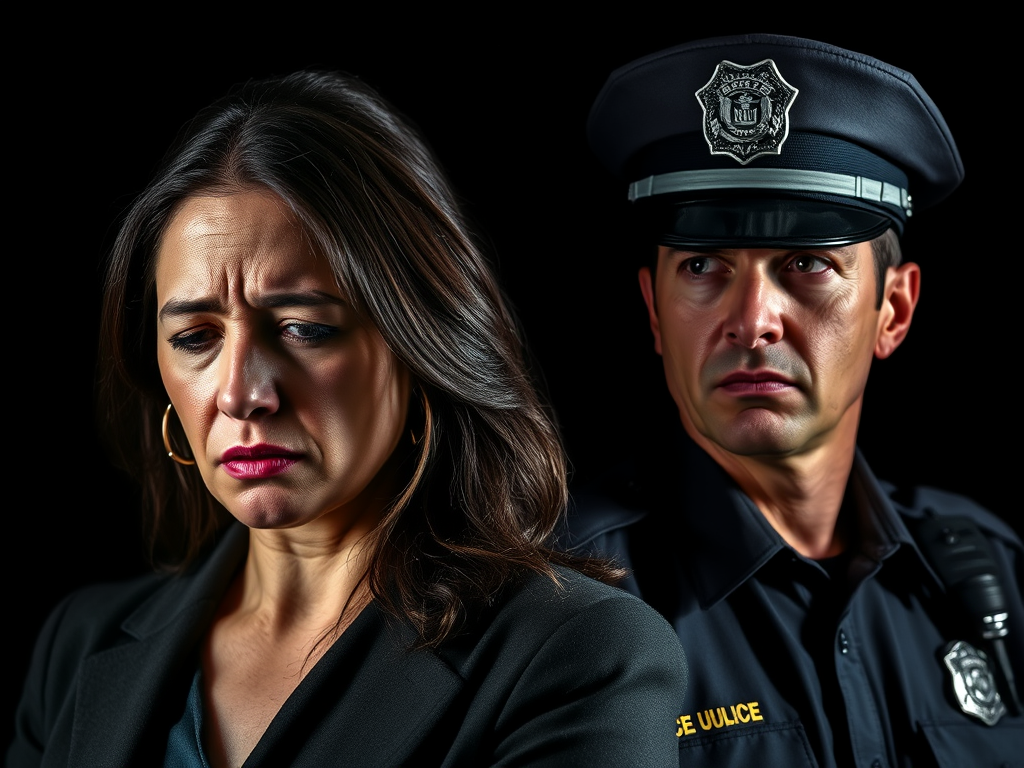
In an age where reputations can be destroyed with a few keystrokes, the vicious phenomenon of besmirching the character of individuals we may disagree with has become a troubling norm, and few cases illustrate this more painfully than the recent attacks against Renee Good and the ICE Officer. The culture of public shaming, rumor-mongering, and baseless accusation not only harms the individual but also erodes the foundation of our collective trust and civility. The relentless character assassination of these two individuals offers a case study in why we must resist such destructive tendencies and reclaim the values of fairness and respect.
The Dark Power of Slander in the Digital Age
The digital revolution was supposed to democratize information and increase transparency. Instead, it has often provided fertile ground for half-truths, personal vendettas, and outright lies to flourish. In this environment, where anyone with keyboard courage can post anything anonymously, there is no justifiable reason or benefit—a campaign not rooted in facts or legitimate criticism, but rather in innuendo and unsubstantiated claims. Online platforms, amplified by the echo chambers of social media, allow damaging narratives to spread far beyond the reach of reasoned rebuttal. Once a reputation is sullied, it’s almost impossible to fully restore, regardless of the truth.
The Personal Toll: A Life Turned Upside Down
For those who have observed or experienced it, the defamation of an individual is not an abstract concern; it is a lived nightmare. The impact is not limited to professional setbacks or fleeting embarrassment. Slander can lead to loss of livelihood, social isolation, and even mental health crises. In Renee’s case, what is lost in the noise that she is a victim here. In the officer’s case, his presumption of innocence is tossed away for political purposes. The pain inflicted by such attacks is long-lasting and deeply personal, affecting not just the target but also their family and friends.
Slander as a Social Disease
We must ask ourselves: what kind of society do we become when we allow character assassination to go unchecked? This is not just an attack on one person; it is a symptom of a broader social malaise. When the public rushes to judgment, prioritizing outrage over investigation, we undermine the principles of due process and empathy. This culture of suspicion and cynicism weakens our social fabric, making it less likely that people of principle will step forward to serve or lead. The chilling effect on civic engagement is considerable, as few are willing to risk being the next target of mob justice.
Standing Up Against Unfounded Accusations
It is not enough to shake our heads in dismay about the treatment of Renee Good and the ICE Officer. As a community, we have a responsibility to counteract the forces of rumor and slander. This means refusing to share or engage with unverified allegations, demanding evidence and fairness in all matters of public concern, and holding ourselves to the same standard of respect we would wish for ourselves. Defending the maligned is not just an act of kindness, but a defense of our shared humanity.
Reclaiming the Value of Character
Ultimately, the way we treat individuals is a reflection of who we are as a society. We must remember that character is built over years, but can be destroyed in minutes if we are not vigilant. Let us reject the easy path of gossip and condemnation and instead choose the harder, nobler road of discernment, forgiveness, and support. In doing so, we restore not only the reputation of those unfairly maligned, but also the values that make our communities strong.
The campaign against these two is a tragedy, not just for them but for all of us who aspire to decency and fairness. Let this story serve as a call to action—a reminder that our words matter, and that we are all responsible for the world we create with them.
 The Writing of Joe Broadmeadow