by Joe Broadmeadow
We spend a surprising amount of energy casting the final scene. We picture the deathbed the way the movies taught us to picture it: low light, a warm hand in ours, someone leaning close to catch whatever wise and quotable thing we manage to say on the way out. We imagine choosing the guest list. We imagine, in other words, being in charge.
That is the first joke. Nobody is in charge.
The last person you meet before you die is, more often than not, a stranger. It is the nurse who started her shift four hours ago and has not yet had a chance to eat. It is the paramedic whose name you never learn, kneeling on the asphalt, talking to you in the calm, deliberate voice they teach you to use so the person on the ground does not understand how bad it is. It is a cashier, a toll taker, the driver in the next lane who woke up thinking about nothing more serious than lunch.
I know something about this because for twenty years I wore a badge, and part of that job, the part they do not advertise, is being the last uniform some people ever see. You do not sign up for it. It arrives. A call comes in, you go, and there you are, holding a stranger’s hand on a kitchen floor, telling them help is coming when you both suspect it will not come fast enough. You learn their whole life in the space of a few minutes: the photographs on the refrigerator, the pill bottles on the counter, the dog that will not stop barking because dogs know. You are a total stranger, and for those minutes you are also the most important person in the world to them, which is a strange and humbling thing to be handed by accident.
Here is what surprised me. It is not, mostly, sad in the way you expect. There is a peculiar grace in it. The people who arrive at the end tend to be, of all things, kind. Not because they know you. Precisely because they do not. A stranger has no history with you to complicate the moment, no old argument to finish, no grievance idling in the background. They are simply there, and their entire job, whether they wear a uniform or scrubs or nothing but decent instincts, is to make sure you are not alone. That is more than a lot of us manage for the people we actually love.
Which brings me to the bittersweet part, the part that does not make for good movies.
I recall one incident when I was on the job. I was sent to a sudden death call. A woman died in her sleep; the husband did not. While there was clearly no foul play involved, the medical examiner still needs to be notified.
As we were waiting for the call, an uncomfortable silence permeated the room with just me and this “old man” now alone for the first time in fifty some years. So, I summoned my vast experience in dealing with these matters and said,
“Is there anything I can do for you?”
The man looked up, red-eyed and lost, and said, “Can you bring her back?”
Don’t ever let anyone tell you cops don’t cry. I learned a lifetime of wisdom in that moment.
The people you would choose are frequently not in the room. This is not a failure of love. It is a failure of scheduling, which is a different and more forgivable thing. Death rarely consults the calendar. It does not wait for your daughter to land, for your son to get off the highway, for the grandchildren to be old enough to understand or young enough not to have to. It comes on a Tuesday afternoon while everyone who matters is stuck in traffic or standing in a checkout line or, God help them, arguing with you about something neither of you will remember.
I have two grandsons, Levi and Wyatt. I have thought, more than a grandfather is supposed to admit, about the arithmetic of it, about which of us will be in which rooms and when. And I have made a kind of uneasy peace with the likelihood that I will not get to choose. None of us do. The final guest list is not ours to write.
So, I have come around to a different way of thinking about the whole business.
If the last person I meet is going to be a stranger, then the strangers in our lives matter enormously. Every stranger is a possible finalist. This is not morbid. It is oddly clarifying. It means the nurse deserves your patience even when you are frightened and rude. It means the paramedic deserves your trust. It means the person in the next lane deserves your attention, because you never know which unremarkable interaction is quietly auditioning to be the last one you have.
It means the police officer is struggling with the finality as well as trying to be useful.
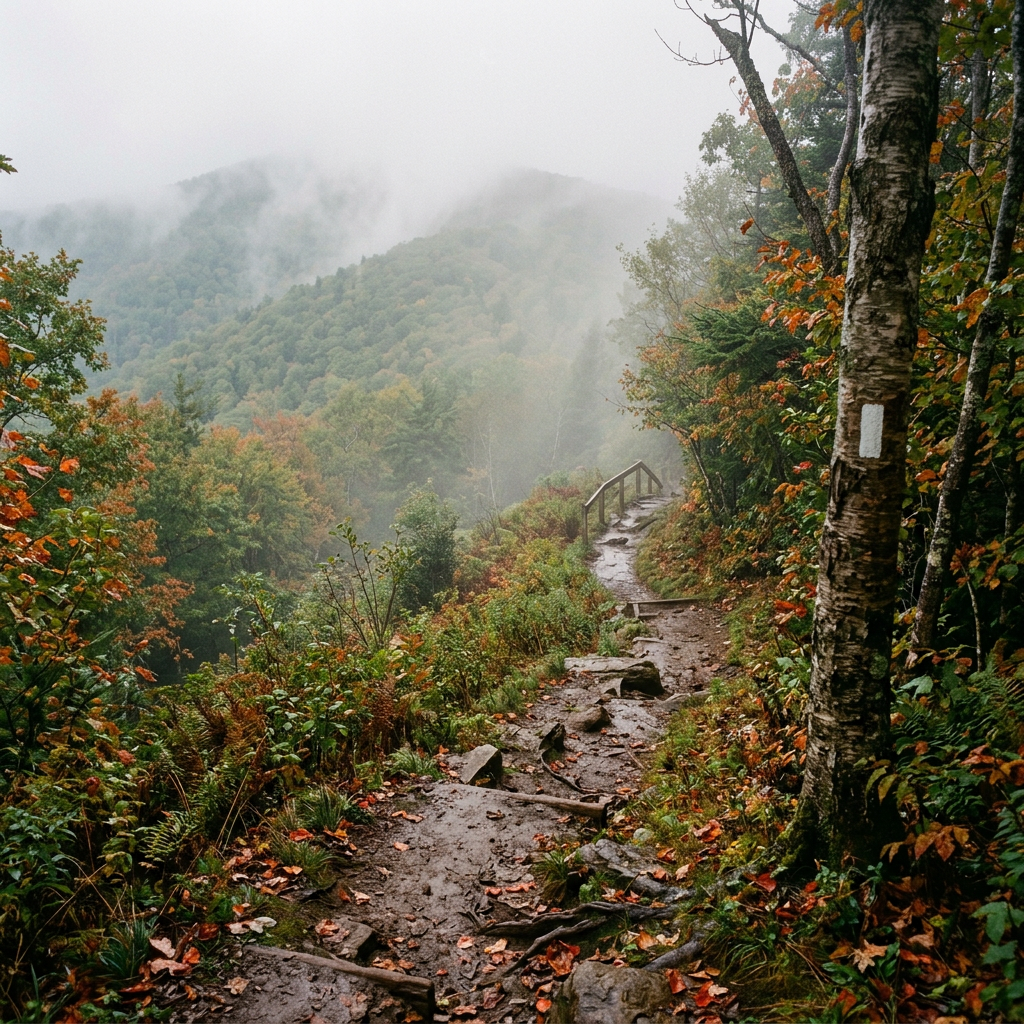
I hiked the Appalachian Trail once, a long walk that teaches you, among other lessons, to rely on the kindness of people you will never see again. Trail angels, they call them. They leave water at a road crossing. They hand you a sandwich and vanish back into their own lives. You are exhausted and filthy and grateful, and you understand, somewhere around Virginia, that most of human decency is transacted between strangers who owe each other nothing.
Maybe that is the whole point of the exercise. Maybe the reason the last face is so often an unfamiliar one is that life keeps trying to teach us, right up to the buzzer, that we belong to each other more than we let ourselves believe.
So here is my modest hope, offered without confidence, because confidence about death is for younger men. I hope, when my number comes, that whoever is there is kind. I hope I have been the sort of person who was worth being kind to. And I hope, whoever it is, whether I know their name or not, that I remember to say thank you.
It seems like a decent last thing to say. Better, anyway, than whatever wise line I have been saving all these years. Thank you will do. Thank you covers most of it.
And I hope I have lived a life where someone would care enough to say, “Can you bring him back?”

Leave a Reply