By Joe Broadmeadow
For twenty years I built cases on evidence. You learn quickly that a number without context can lie as easily as any witness. So when the state announced this June that 219 Rhode Islanders died of accidental overdoses in 2025, the investigator in me asked two questions before anyone celebrated: Is the number real, and what does it prove?
The number is real. It is down from 329 deaths in 2024 and 436 in 2022—a 50 percent decline in three years and the lowest toll the state has recorded since before 2013, when the crisis first announced itself.
Rhode Island set a goal of cutting overdose deaths 30 percent by 2030. It cleared that bar five years early. Three consecutive years of decline is not noise. It is a trend.
The harder question is what caused it, because that is where the argument over Providence’s Overdose Prevention Center lives.
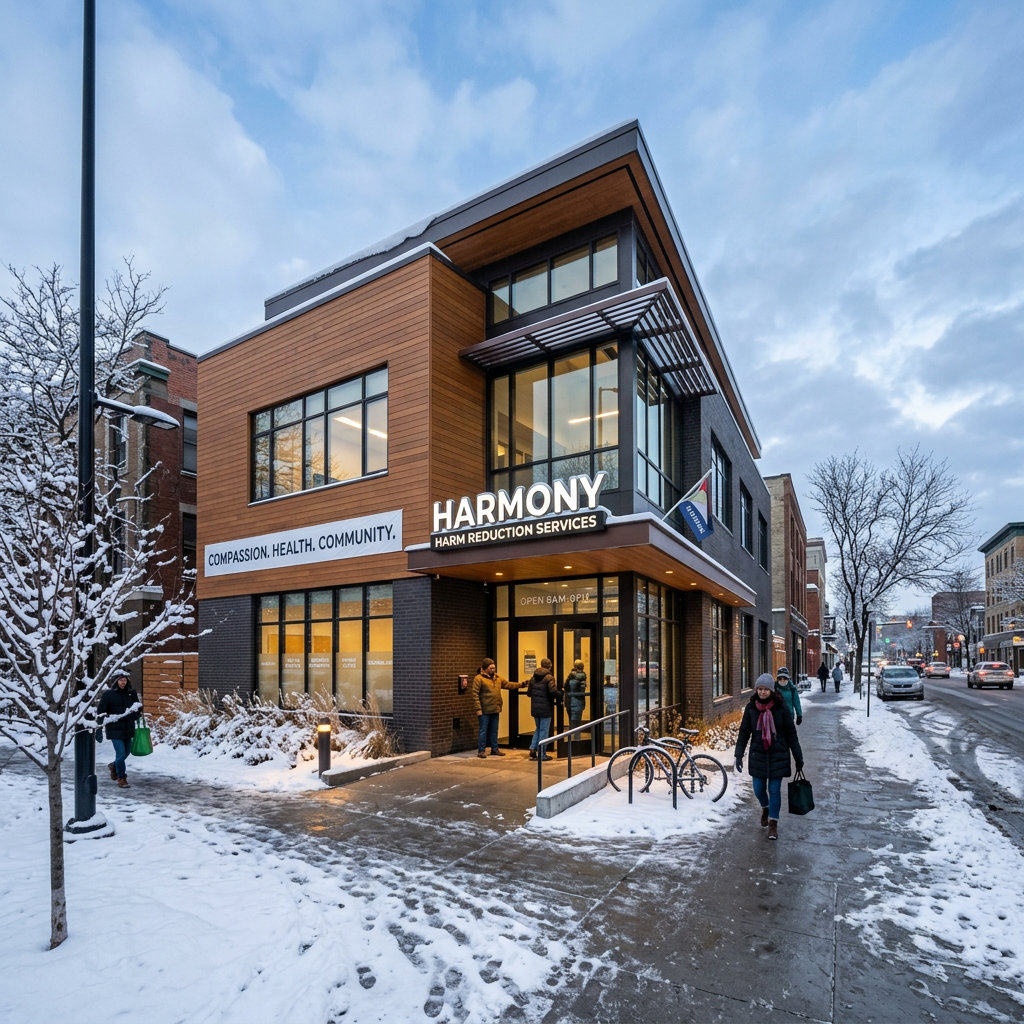
The center opened in January 2025 at 45 Willard Avenue, the first state-sanctioned facility of its kind in the country. A place where people can use drugs under medical supervision instead of alone in a parked car or a locked bathroom.
From opening through April 2026, it logged roughly 12,040 visits, intervened in more than 150 overdoses, and recorded zero deaths on site.
Now the cost, because that is the part critics reach for first. The pilot runs on $2.6 million in opioid-settlement money. Dollars pried from the pharmaceutical companies that seeded this epidemic, not from taxpayers.
Set the arithmetic out plainly: 150-plus overdose interventions against $2.6 million is roughly $17,000 an intervention, and that figure overstates the price, because the same budget also buys HIV and hepatitis C testing, wound care, naloxone, and treatment referral under one roof.
Weigh that against what a single overdose already costs the rest of us—the ambulance, the emergency room, the intensive-care bed, and too often the medical examiner. Any officer who has worked these calls knows the public pays for overdoses one way or another. The only question is whether we pay before the crisis or after.
So the cost-benefit case is strong. But my experience will not let me overstate it, and neither should the center’s advocates.
Here is what the numbers do not prove.
Zero deaths inside the center is not the same as lives saved across the state. To claim that, you would have to know what those same people would have done without the center, the counterfactual, and no one knows it with certainty.
The statewide decline cannot be pinned on the center alone, either. Rhode Island distributed 55,557 naloxone kits in 2025. Overdose deaths fell about 14 percent nationwide last year, including in states with no injection center at all. The drug supply itself shifted. The center is one instrument in a full toolbox, and honest analysis credits the toolbox.
That honesty cuts both ways. Critics who insist the center accomplishes nothing still have to account for more than 150 people who overdosed inside it and walked back out alive. “It didn’t work” is not an evidentiary position. It is a wish wearing a badge.
The fair conclusion is the one the evidence supports: a modestly funded pilot, paid for by the companies that caused the harm, produced measurable results within its walls and contributed to a decline that is real, sustained, and cheaper than the alternative.
That is a defensible use of public trust, and the pilot has earned the renewal now before the state.
One warning belongs in this ledger. Rhode Island has detected a synthetic opioid reported to be ten times more potent than fentanyl. Every gain described here was won against a drug supply that keeps getting deadlier.
The decline is not a finish line. It is a foothold on a slope that is still moving.
I spent a career being paid to be skeptical, and skepticism is not the same as denial. The evidence here points in one direction, and it points clearly: the numbers came down, the center helped, and it did so at a price the state can defend.
The responsible move is not to declare victory. It is to keep doing what is working. And to watch the next number as closely as we watched this one.

Leave a Reply