There is a quiet, stubborn force that has carried humanity through plagues, wars, depressions, and the long, uncertain stretches in between. It doesn’t make headlines. It isn’t owned by governments or corporations. It lives in people—in their habits, their humor, their refusal to stay down for long. Call it resilience, call it grit, call it faith. Whatever the label, it has never failed us.
Spend five minutes with the news and you might think the world is teetering. Spend five minutes with actual people, though—with the nurse finishing a double shift, the small business owner unlocking their door at dawn, or the kid sketching out a future that doesn’t yet exist—and a different picture emerges. Not denial. Not naïveté. Determination.
We are, by nature, problem-solvers. When systems break, we improvise. When doors close, we build new ones or knock the wall down entirely. History isn’t a straight line upward, but zoom out far enough, and the trajectory is unmistakable. Fewer people live in extreme poverty than at any point in human history. Medical breakthroughs that once sounded like science fiction are now routine. Information, once hoarded by the few, now sits in the palm of your hand.
Progress is not a miracle. It is a habit. And we are very, very good at it.
Joe Broadmeadow
It’s fashionable in some circles to treat optimism as a kind of intellectual weakness, as if hope were a failure to grasp complexity. That’s nonsense. Real optimism doesn’t ignore hardship; it accounts for it and still concludes that the arc bends forward. It recognizes that every generation inherits a mess—and then, more often than not, leaves something better behind.
There’s a line from Jurassic Park that stuck with me: “Life will find a way.” It’s meant as a warning in the film, but it doubles as a truth about us. We adapt. We persist. We reinvent. Not perfectly, and not without setbacks, but with a consistency that borders on miraculous.
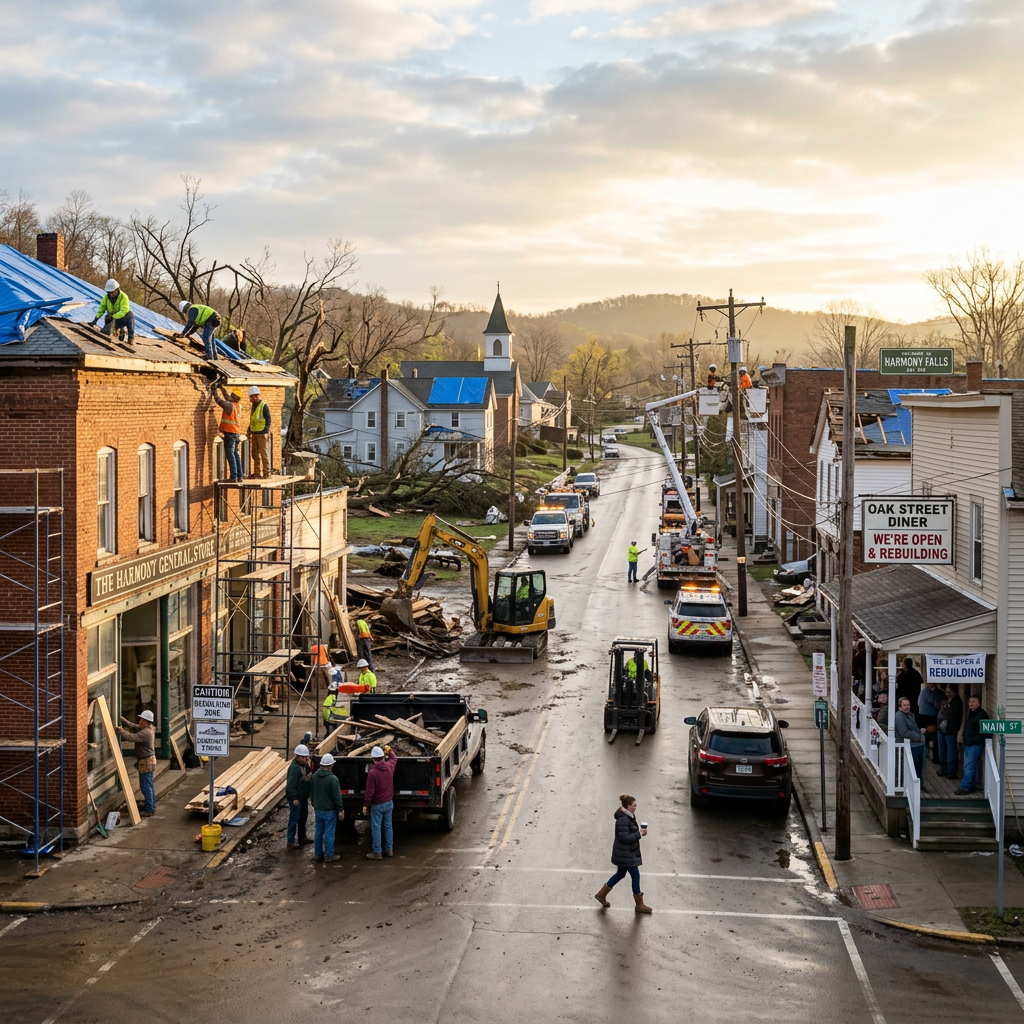
Consider how quickly communities rebuild after disaster. Or how innovation accelerates when necessity demands it. Or how ideas that once seemed radical—civil rights, expanded opportunity, the simple notion that more people deserve a voice—gradually become the baseline. These shifts don’t happen by accident. They happen because people, ordinary and extraordinary alike, refuse to accept that things must remain broken.
None of this guarantees a frictionless future. There will be challenges ahead—technological, political, and environmental. But if history offers any reliable lesson, it’s this: betting against people has always been a losing wager.
The bright future so many doubt isn’t a fantasy waiting to be discovered. It’s a construction project already underway, built moment by moment by individuals who show up, try again, and push forward even when the outcome is uncertain.
Progress is not a miracle. It is a habit. And we are very, very good at it.

Leave a Reply